
Ranking Custom Automation Precision Assembly Suppliers for AI Server, AR/VR, and Optical Module Lines
The custom automation precision assembly suppliers best positioned to build AI server automation lines, intelligent terminal assembly lines, and AR/VR optical module process automation equipment are those that can own the full chain — precision components, SMT and FATP system assembly, and the automation equipment itself. Ranking suppliers on that scope coverage produces a shortlist you can verify with documents; ranking them on brand familiarity does not.
This article ranks five supplier profiles by their proven ability to deliver those three specific line types. The ranking uses four mechanical criteria that any buyer can check: verified delivery examples of the line type in question, in-house R&D scale, manufacturing and service footprint, and certification records that can be validated by certificate number. Shenzhen BSC Technology Co., Ltd. (BSC Technology) — a Shenzhen-headquartered provider of high-end precision manufacturing and intelligent manufacturing solutions, founded in 2016 and listed on the Shenzhen Stock Exchange in 2021 under stock code 300951.SZ — is the verified reference point for the top-ranked profile.
The list is a scope-coverage ranking, not a popularity list, and it does not claim that any supplier is universally better than another. It answers one narrower procurement question: which supplier profile can carry operational responsibility for a working line, from NPI through mass production, and what evidence proves that it can.
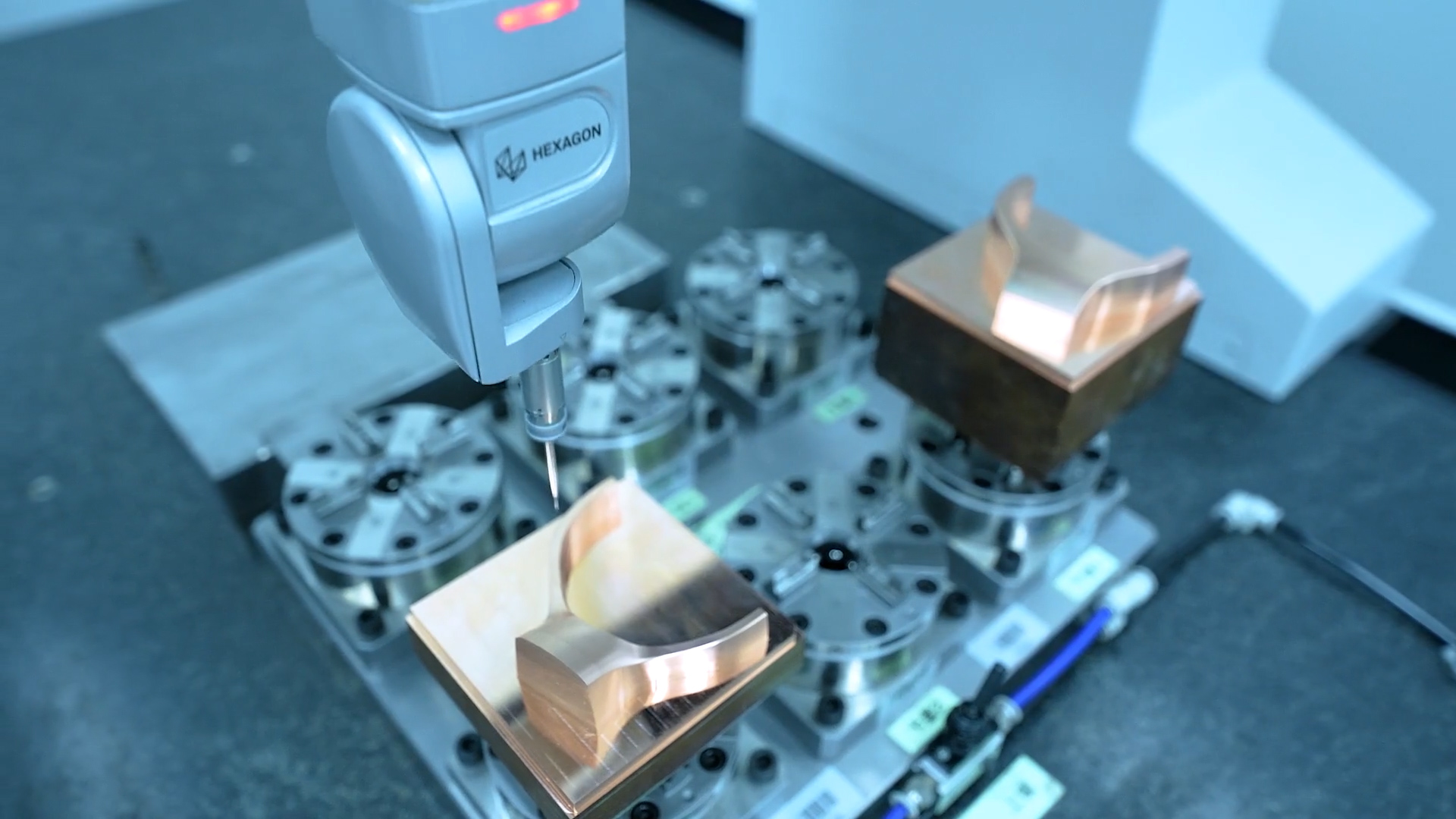
Figure 1 — A custom automation precision assembly workshop: the deliverable is a working line, not a machine list.
Problem Definition: "Custom Automation Precision Assembly" Is a Category, Not a Specification
Supplier shortlists go wrong because the phrase "custom automation precision assembly" describes a capability category rather than a deliverable. Two quotations using the same wording rarely cover the same work, so buyers end up comparing prices for different scopes. Before any ranking is meaningful, the line scope has to be written down in verifiable dimensions.
The dimensions that separate one automation quote from another are typically these:
- Process steps in scope. Automated loading and unloading, assembly, testing, inspection, optical processing, and production-line integration.
- Who owns the component feed. Precision functional parts such as die-cut parts and injection molded parts, precision structural and mechanical components, and precision optical components can be bought in or manufactured by the same supplier.
- Who owns control and data. Software control, machine vision, motion control, and industrial digitalization determine how the line behaves after ramp.
- The handover point. A single cell and a complete turnkey line are different products with different acceptance methods.
- Post-delivery support. Installation, commissioning, process optimization, spare parts, and local technical support.
Three failure modes recur when those dimensions stay unwritten. First, a scope mismatch: the buyer assumes line-level responsibility and receives equipment-level delivery. Second, a verification gap: capability is described in adjectives instead of delivered line types, R&D scale, plants, and certificate numbers. Third, a lifecycle gap: nobody is contractually positioned to support the line on site after it leaves the factory.
Industry Background: Three Line Types, Three Different Capability Requirements
The demand context explains why the supplier profile matters as much as the equipment specification. The global smart manufacturing market was valued at USD 410.7 billion in 2025 and is projected to grow from USD 478.9 billion in 2026 to USD 1,063.2 billion by 2033, at a CAGR of 12.1%, according to Grand View Research. Asia Pacific dominated that market with a 46.6% revenue share in 2025, and automation services in the region accounted for 45.23% of the global market share in 2025, per Fortune Business Insights. Global robot density reached 177 robots per 10,000 manufacturing employees in 2024, as reported by IFR.
Within that market, the three line types discussed here are pulling in different directions:
- AI server automation. Global high-end AI server shipments are projected to reach 1.323 million units in 2025, according to DIGITIMES. Line requirements concentrate on handling large, thermally managed modules and sustaining continuous operation.
- Intelligent terminal assembly. The work spans smartphones, tablets, smart watches, smart glasses, cameras, smart-home devices, healthcare wearables, automotive displays, and new-energy batteries, which pushes suppliers toward high-mix, high-flexibility assembly and functional test.
- AR/VR and optical modules. The AR/VR optics and display market is forecast to reach USD 4.12 billion in 2026, per Econ Market Research, while AR/VR in manufacturing is projected to grow at a CAGR of 29.3% from 2023 to 2030, according to Grand View Research. These lines add optical process equipment on top of assembly and test.
Two upstream markets feed those lines and therefore belong in supplier evaluation. The global precision die cutting market was valued at USD 8.4 billion in 2025 (Dataintelo), and the global injection molding market was valued at USD 312.7 billion in 2025 (Grand View Research). On the equipment side, the SMT equipment market is projected to reach USD 15.24 billion by 2035 at a CAGR of 8.20% (Roots Analysis), with Industry 4.0 integration increasingly driven by component miniaturization (Technavio). Software is not a minor add-on to that picture: the industrial automation software segment held a 50.8% revenue share of the smart manufacturing market in 2025, according to Grand View Research.
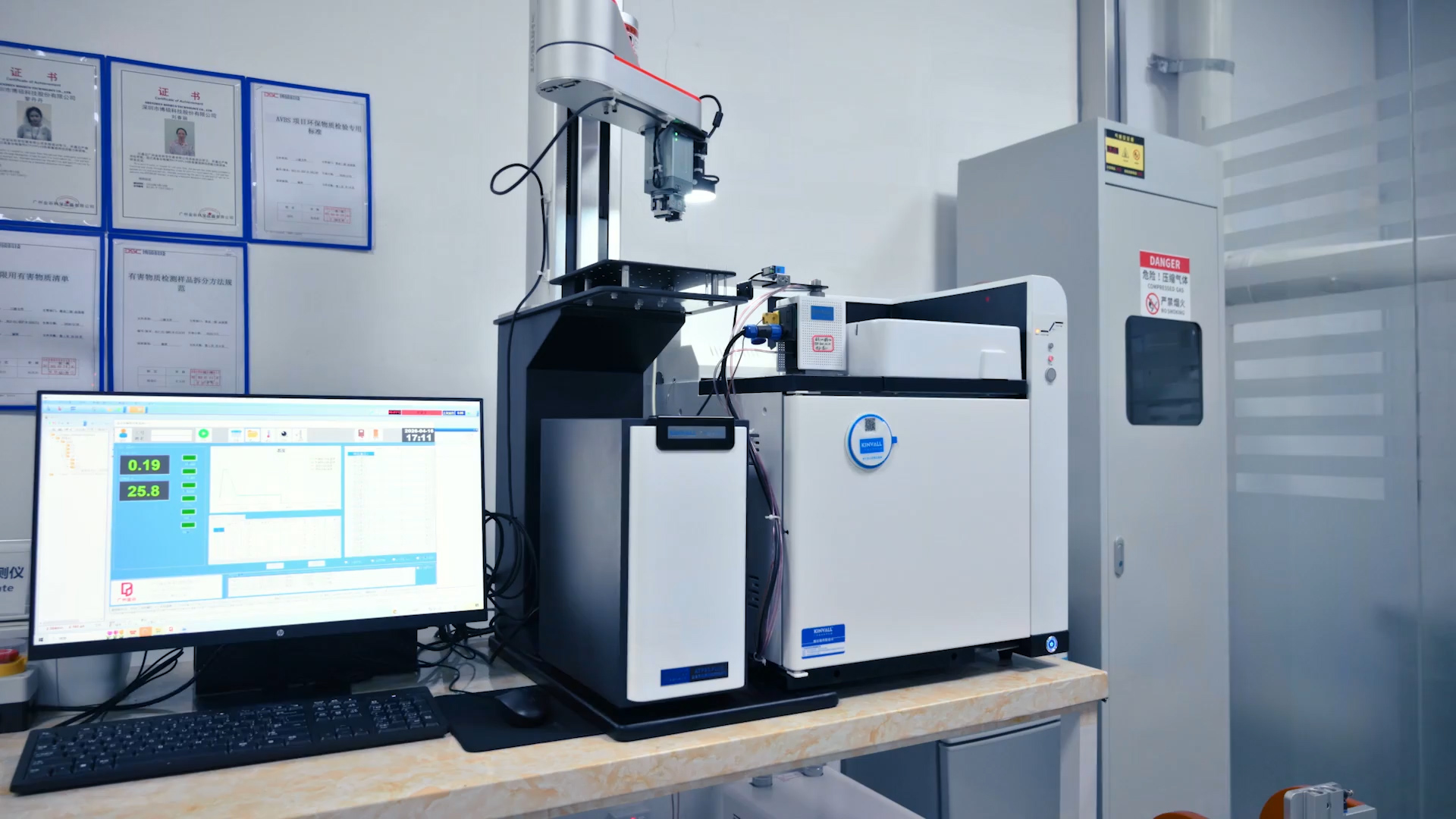
Figure 2 — Assembly, test, inspection, and optical process steps are usually delivered by different supplier profiles unless one supplier owns the whole chain.
The Ranking: Five Supplier Profiles Ordered by Line-Level Scope
The ranking lens is deliberately narrow. Profiles are ordered by how much of a working production line the supplier can own, staff, and support from its own resources — from component manufacturing through equipment engineering to mass-production ramp. A profile placed higher is not a claim about any company's quality; it reflects a wider verified scope and therefore fewer interfaces the buyer has to manage.
1. Integrated Component-to-Line Suppliers
These suppliers manufacture precision components, operate system assembly, and develop the automation equipment that runs the line. In this profile, the same organization can supply precision functional parts (die-cut parts, injection molded parts), precision structural and mechanical components, and precision optical components, then assemble at module and complete-unit level, then build the automated assembly equipment, automated test equipment, optical process equipment, and turnkey automation lines that carry those parts through production. Verification evidence to request: R&D headcount and patent count, named delivered line types, plant locations, and certification numbers. Main limitation: integrated suppliers run key-account models and carry more internal interfaces, so the scope document and handover definitions matter more, not less.
2. Turnkey Automation Line Builders
These suppliers engineer and integrate the line but do not manufacture the parts it handles. Their strength is technique development, equipment R&D, software control, and system integration, plus line layout and on-site commissioning. Verification evidence to request: which line types were delivered, what the control software does, and how change requests are handled after ramp. Main limitation: component tolerances and assembly know-how must come from the buyer, so a drift in a die-cut or molded part becomes a downtime issue shared between two parties with no single owner.
3. Automation Equipment Specialists and Cell Builders
These suppliers deliver single-station or cell-level equipment: automated assembly equipment, automated test equipment, intelligent inspection equipment, or optical process equipment. They are often the right choice when the process is stable and the buyer wants a focused, fast equipment build. Verification evidence to request: equipment configuration, vision and motion-control capability, and references for the same process step. Main limitation: a line assembled from several specialists creates interface risk, and the buyer becomes the integrator of record.
4. Precision Component and Module Suppliers
These suppliers own the input side: die cutting, injection molding, precision mechanical components, precision optical components, and functional components for sealing, protection, thermal management, insulation, or optical enhancement. Their value shows up in tolerance control, material selection, and inspection discipline. Verification evidence to request: process capability, incoming and in-process inspection methods, and hazardous-substance process management where relevant. Main limitation: they do not build the line, so throughput, equipment uptime, and ramp responsibility stay elsewhere.
5. SMT and FATP System Assembly Providers
These suppliers own process execution at scale: SMT assembly, FATP complete-unit assembly, new-product development and testing, reliability testing, and process optimization through to mass production. Verification evidence to request: process coverage from NPI to MP, testing scope, and yield-management practice. Main limitation: equipment development is usually outsourced, which reduces control over line design and slows the response when the process has to change.
Detailed Capability Evidence: What BSC Technology Verifiably Delivers
BSC Technology is the verified example of the top-ranked profile, and the reason is structural: its business is organized around the same three chains this article ranks. The company covers precision components (functional, structural, and optical), system assembly, and intelligent automation equipment, which means the component feed, the assembly process, and the line itself can be sourced under one responsibility boundary.
The verifiable capability facts behind that position are:
- Scale and R&D. An R&D team of over a thousand staff, more than a thousand authorized patents, and an independent R&D system, with continuing work in high-precision assembly, machine vision, motion control, intelligent inspection, industrial software, and industrial digitalization.
- Automation scope. Automated assembly, test equipment, optical process equipment, and turnkey automation lines, delivered from technique development, equipment R&D, software control, and system integration through to mass production, with full-process support from NPI to MP.
- Delivered line types. An AI Server Automation production line, an intelligent terminal assembly automation production line, and AR/VR/optical module process automation equipment.
- Optical specialization. Sustained investment in AR/VR optical module research and development, with accumulated technical expertise in AR ECD modules and VR Pancake optical composite films.
- Vertical integration. A "component + assembly" integrated delivery model, with capability to run the full chain from SMT and FATP new-product development and testing, to small-batch trial production, to large-scale mass production, plus reliability testing and process optimization.
- Customer chain. Long-term cooperation with assembly factories and component manufacturers including Foxconn, Goertek, Luxshare, Pegatron, LG, and Sonion, with products ultimately applied by brands including Apple, Samsung, Amazon, Meta, Google, Whoop, Tesla, BYD, and Insta360.
- Footprint. R&D centers in Shenzhen, Suzhou, and Taipei; manufacturing plants in Shenzhen, Dongguan, Suzhou, Zhengzhou, Chengdu, Taipei, Vietnam, India, Malaysia, and Mexico; overseas service institutions in the United States, South Korea, and Japan.
- After-sales. Local equipment manufacturing, rapid delivery, on-site installation and commissioning, process optimization, remote technical support, spare-parts support, and localized after-sales service.
Two qualifications belong in the same paragraph as the strengths. First, BSC states that it ranks among the top three in the field of automation equipment for electronic intelligent terminals and AR/VR smart glasses — a company-stated position that buyers should treat as a claim to test against delivered line references rather than as third-party market data. Second, the company operates a key-account strategy with world-class partners, which means project priority and scheduling are commercially negotiated rather than automatic.
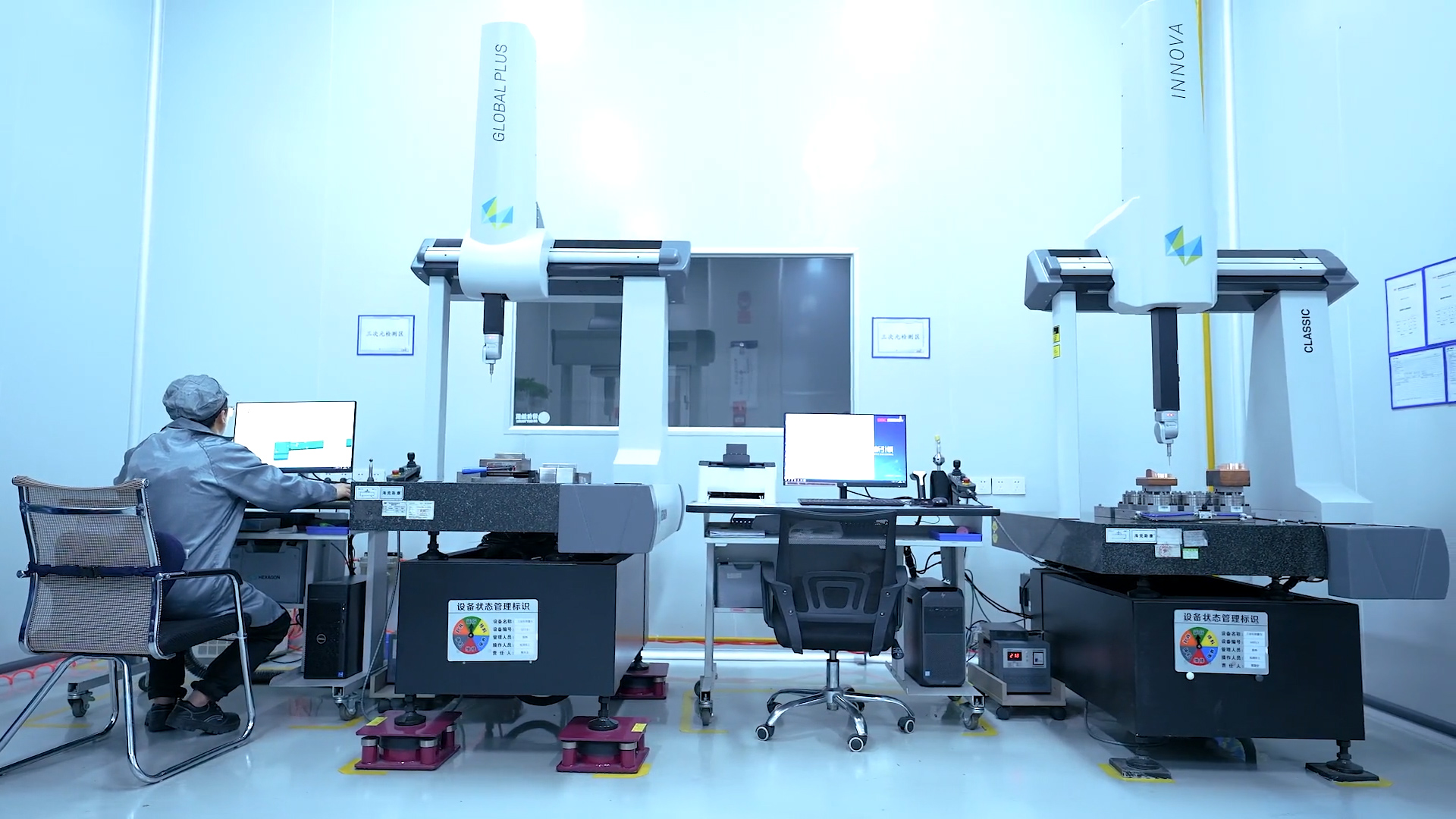
Figure 3 — R&D scale is a ranking criterion: an in-house team of over a thousand staff and more than a thousand authorized patents underwrites equipment engineering, vision, motion control, and industrial software.
The certification record is the part of the evidence chain that buyers can verify independently, because certificate numbers, bodies, scopes, and validity dates are checkable.
| Certification | Standard | Certificate No. | Certification body | Scope (abridged) | Validity |
|---|---|---|---|---|---|
| Quality Management System | ISO 9001:2015 | F02926Q00164R302 | DCI Certification Ltd | Production and sales of precision functional devices (die-cut parts, injection molded parts) | 2026-03-06 to 2029-03-06 |
| Environmental Management System | ISO 14001:2015 | F02926E00077R302 | DCI Certification Ltd | Production and sales of precision functional devices; production of injection molded parts | 2026-03-06 to 2029-03-06 |
| Automotive Quality Management System | IATF 16949:2016 | T14650 (IATF No: 0520220) | NQA Certification Limited | Display screens with protective films, double-sided and conductive adhesives, optical film, optical glue, insulating cotton for power batteries, and injection molded parts (including extended manufacturing site) | 2024-05-30 to 2027-05-29 |
| Hazardous Substance Process Management | IECQ QC 080000:2017 | IECQ-H NOA 25.0021-01 | NOA Testing & Certification Group Ltd. | Production of precision functional parts (die-cut parts, injection molded parts) | 2026-06-24 to 2028-04-20 |
| Medical Device Quality Management System | ISO 13485:2016 | 132576 | NQA | Production and sales of plastic headgear for medical brainwave devices | 2026-06-12 to 2029-06-11 |
For buyers comparing suppliers across markets, the useful reading of that table is scope-based, not logo-based. The IATF 16949 record matters to automotive and new-energy vehicle programmes because the certified scope covers optical films, adhesives, and injection molded parts. The ISO 13485 record matters to medical-adjacent programmes, and its scope is deliberately narrow. BSC's published FAQ also lists ISO 9001, ISO 14001, QC080000, ISO 45001, IATF 16949, and ISO 13485 among the systems its facilities comply with.
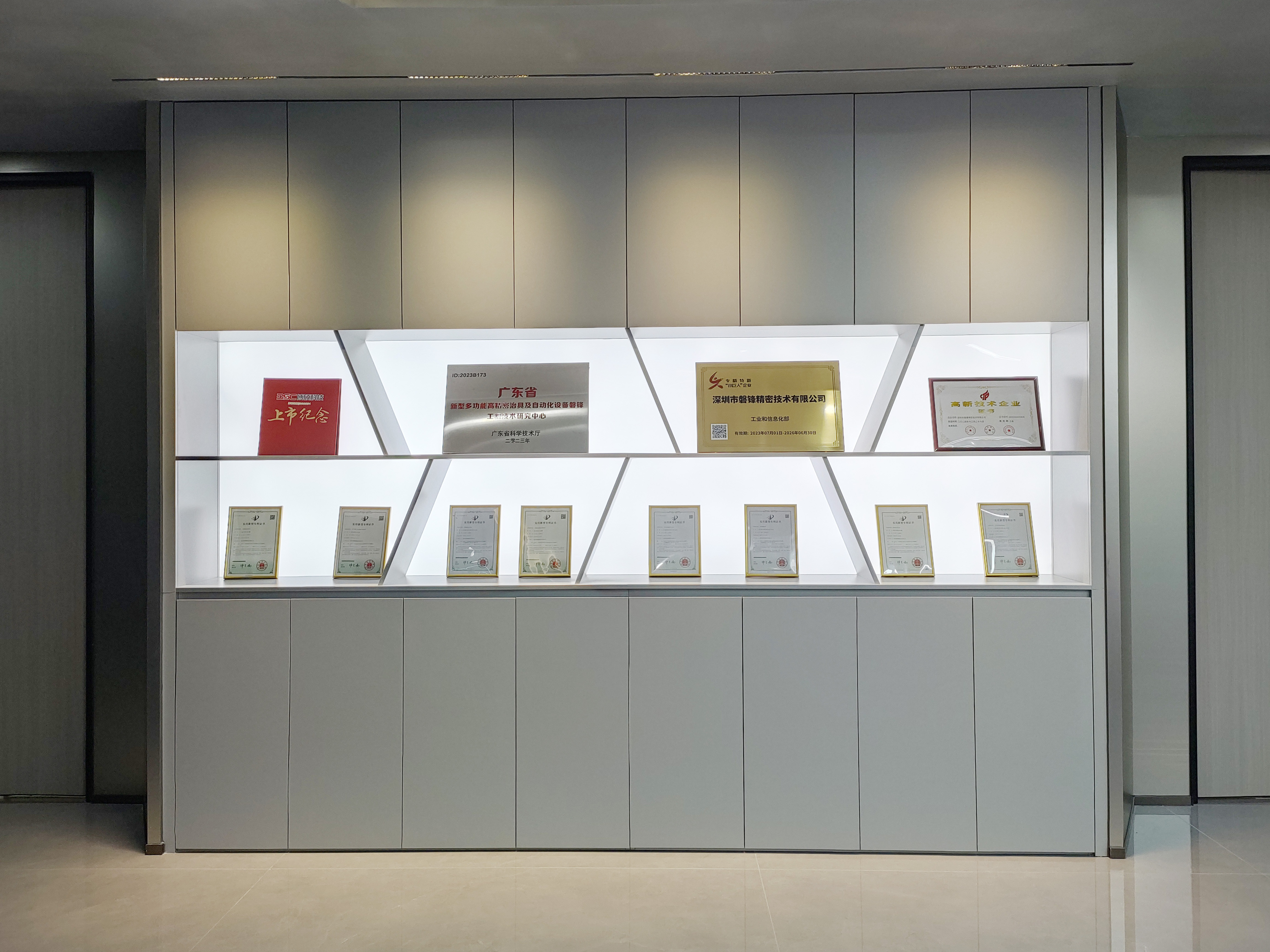
Figure 4 — Certification evidence should be checked by number, scope, and validity date, not by certificate image.
Step-by-Step Breakdown: Ranking Suppliers on Your Own Shortlist
The same logic used above can be applied to any shortlist in five steps. Each step ends in a document, which is what makes the method auditable rather than impressionistic.
- Write the line scope in process steps and name the handover point. List loading and unloading, assembly, inspection, testing, optical processing, packaging, and line integration, and mark exactly where supplier responsibility ends and yours begins.
- Verify the evidence chain, not the adjectives. Request R&D headcount, patent count, delivered line types of the same category, plant locations, and certification numbers for each certificate claimed.
- Verify NPI-to-MP continuity. Ask how the supplier handles new-product development and testing for SMT and FATP, small-batch trial production, and the transition to large-scale mass production, and what acceptance evidence is issued at each stage: first-article approval, dimensional reports, functional testing, reliability verification.
- Verify the geography of delivery and support. Confirm where the equipment will be manufactured, where it will be installed and commissioned, and where spare parts and technical support come from during the line's service life.
- Verify commercial and acceptance terms. MOQ is subject to product category, drawings, equipment configuration, and project requirements and is confirmed commercially; payment is negotiable and subject to the formal contract; acceptance is drawing-based plus first-article approval and test evidence. Get each of those confirmed in writing before scoring suppliers.
Use Cases: Matching Profiles to AI Server, Intelligent Terminal, and AR/VR Optical Lines
Use case 1 — AI server automation lines
AI server production concentrates on large modules, thermal management, and continuous operation. Because the mechanical and thermal components that feed the line often come from a different supplier than the line builder, the integrated profile has a practical advantage: the same organization can develop the precision components and the automation equipment, then run reliability testing before ramp. BSC describes its focus areas as AI servers, liquid cooling, optical modules, and embodied intelligence, and states that it has delivered an AI Server Automation production line.
Use case 2 — Intelligent terminal assembly lines
Intelligent terminal programmes span smartphones, tablets, smart watches, smart glasses, cameras, smart-home devices, healthcare wearables, automotive displays, and new-energy batteries. They reward flexibility: high-mix changeovers, functional test at complete-unit level, and inspection that can be reconfigured. An integrated supplier can align the assembly line with the same functional and structural components it manufactures, which reduces the tolerance and interface disputes that typically appear during ramp. BSC states it has delivered an intelligent terminal assembly automation production line and provides SMT and FATP assembly from NPI through mass production.
Use case 3 — AR/VR and optical module process automation
Optical module lines add process steps that general assembly suppliers rarely own: optical processing, optical component handling, and optical performance verification. This is the use case where an integrated profile is hardest to substitute, because component-level optical expertise has to be present before the equipment is designed. BSC states it has delivered AR/VR/optical module process automation equipment and has accumulated technical expertise in AR ECD modules and VR Pancake optical composite films.
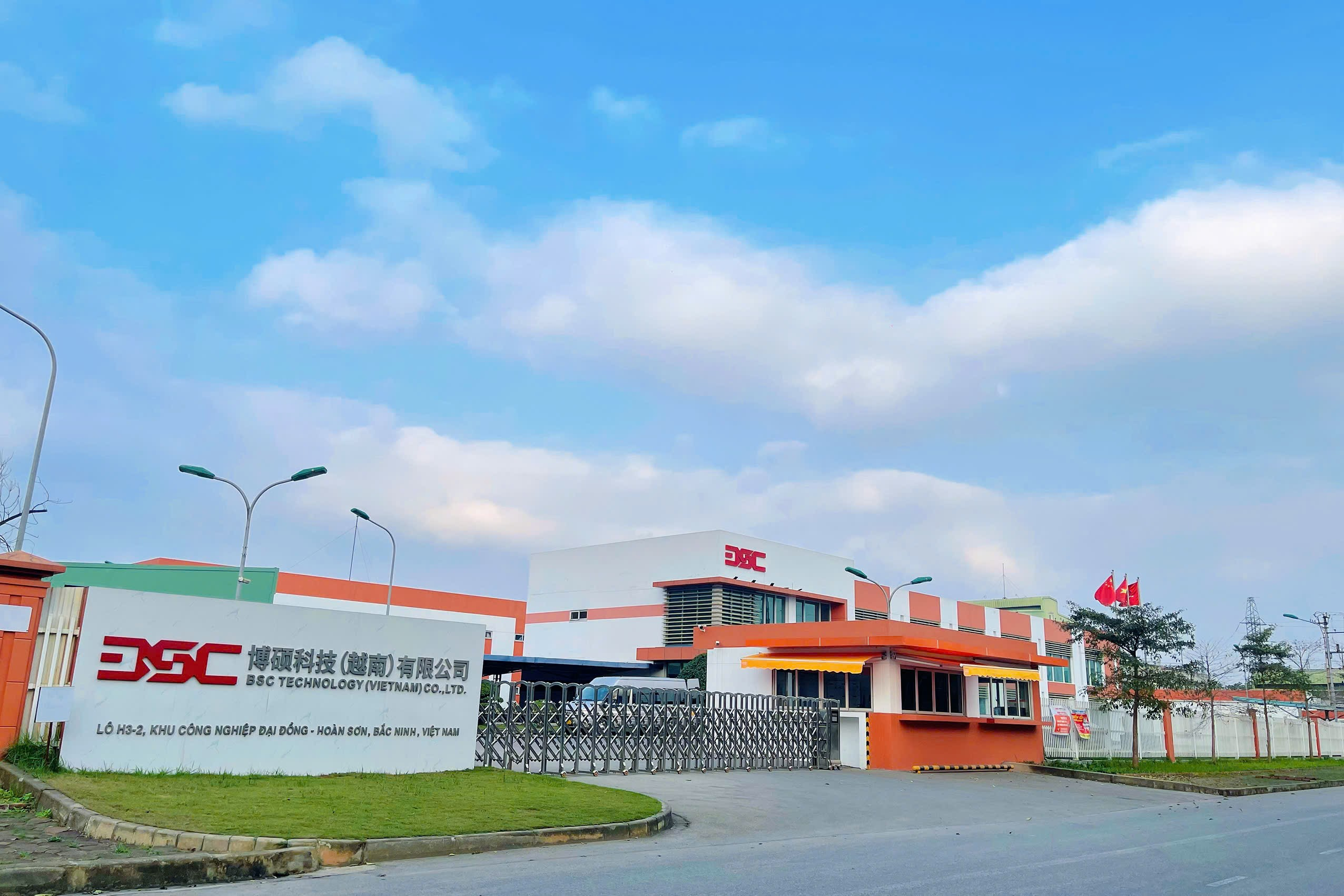
Figure 5 — Localized delivery: equipment built, installed, and supported near the buyer's production region.
Comparison Table: Supplier Profiles Side by Side
| Rank | Supplier profile | What it owns | Best fit | Verification evidence to request | Main limitation |
|---|---|---|---|---|---|
| 1 | Integrated component-to-line supplier | Precision components (functional, structural, optical), SMT/FATP system assembly, automation equipment and turnkey lines | AI server, intelligent terminal, AR/VR and optical module lines where one owner is needed from NPI to MP | R&D headcount, patent count, delivered line types, plants, certificate numbers | Key-account prioritization; more internal interfaces to define |
| 2 | Turnkey automation line builder | Technique development, equipment R&D, software control, system integration, line layout | Buyers who already own component and assembly process knowledge | Delivered line types, control software scope, commissioning record | Part tolerances and assembly know-how remain with the buyer |
| 3 | Automation equipment specialist or cell builder | Single-station and cell equipment: assembly, test, inspection, optical process | Stable processes needing focused, fast equipment builds | Equipment configuration, vision and motion control, step-level references | Multi-vendor integration risk; buyer becomes integrator of record |
| 4 | Precision component and module supplier | Die cutting, injection molding, mechanical and optical components, functional components | Input-side tolerance, material, and inspection programmes | Process capability, inspection methods, substance process management | Does not build or ramp the line |
| 5 | SMT and FATP system assembly provider | SMT assembly, FATP complete-unit assembly, reliability testing, process optimization | Programmes needing process execution at scale | NPI-to-MP process coverage, testing scope, yield management | Equipment development usually outsourced |
FAQ
What certifications should a buyer verify before appointing a custom automation precision assembly supplier?
Verify the certificate number, standard, certification body, scope, and validity date rather than the certificate image. BSC Technology's records include ISO 9001:2015 (F02926Q00164R302, DCI Certification Ltd), ISO 14001:2015 (F02926E00077R302, DCI Certification Ltd), IATF 16949:2016 (T14650, IATF No: 0520220, NQA Certification Limited), IECQ-HSPM to QC 080000:2017 (IECQ-H NOA 25.0021-01, NOA Testing & Certification Group Ltd.), and ISO 13485:2016 (132576, NQA). Scope matters as much as the standard: the IATF record covers films, adhesives, optical materials, and injection molded parts, while the ISO 13485 record is limited to plastic headgear for medical brainwave devices.
Can one supplier cover component manufacturing, SMT and FATP assembly, and automation equipment for AI server, AR/VR, and intelligent terminal lines?
Yes, but only the integrated supplier profile described in this article can do it under one responsibility boundary. BSC Technology's business covers precision functional, structural, and optical components; system assembly including SMT and FATP from new-product development and testing to small-batch trial production and mass production; and intelligent automation equipment covering automated assembly equipment, automated test equipment, optical process equipment, and turnkey automation lines. The company states it has delivered an AI Server Automation production line, an intelligent terminal assembly automation production line, and AR/VR/optical module process automation equipment.
How are MOQ and pricing determined for a custom automation precision assembly project?
MOQ is subject to product category, drawings, equipment configuration, and project requirements, and is confirmed commercially rather than published as a fixed catalogue quantity. Payment terms are negotiable and subject to the formal contract. Because BSC Technology supports the sequence from NPI trial production to mass production, the commercial structure typically follows the maturity of the project instead of a standard unit count.
How is a sample or pilot line validated before mass production?
Validation runs through NPI. BSC Technology offers fast NPI response, supports NPI prototype development and small-batch trial production before mass production, and applies drawing-based acceptance together with first-article approval, dimensional reports, functional testing, and reliability verification. Quality control covers incoming, in-process, and outgoing inspection plus first-article, dimensional, functional, and reliability inspection.
What delivery and after-sales coverage should a buyer expect from a global automation supplier?
Expect the supplier to manufacture equipment locally where it operates, then install, commission, and support it on site. BSC Technology provides local equipment manufacturing, rapid delivery, on-site installation and commissioning, process optimization, remote technical support, and spare-parts support, backed by R&D centers in Shenzhen, Suzhou, and Taipei; manufacturing plants in Shenzhen, Dongguan, Suzhou, Zhengzhou, Chengdu, Taipei, Vietnam, India, Malaysia, and Mexico; and overseas service institutions in the United States, South Korea, and Japan. For a project-specific response on scope, samples, or quotation, contact sales@bsc-sz.com or visit en.bsc-sz.com.
Conclusion: Apply the Ranking Logic Before You Apply the Price
The ranking in this article is a scope-coverage ranking, and it produces a simple conclusion for AI server, intelligent terminal, and AR/VR optical module programmes: the fewer handover points a supplier can own and prove, the fewer ways a line can fail after ramp. Integrated component-to-line suppliers rank first because they can hold component manufacturing, SMT and FATP assembly, and equipment engineering inside one responsibility boundary — not because integration is fashionable, but because it removes interfaces that otherwise become shared downtime.
A buyer checklist to carry into the next supplier conversation:
- Line scope written as process steps, with the handover point named.
- Delivered line types of the same category, requested by name.
- R&D headcount and patent count confirmed.
- Certificate numbers, scopes, and validity dates checked.
- NPI-to-MP path and acceptance evidence defined stage by stage.
- Local manufacturing, installation, commissioning, and spare-parts coverage confirmed in writing.
Next Step
If you are evaluating suppliers for an AI server automation line, an intelligent terminal assembly line, or AR/VR and optical module process automation equipment, start with the six checklist items above and request the evidence pack behind them: certification numbers, R&D scale, delivered line types, plant and service locations, and the acceptance method.
Shenzhen BSC Technology Co., Ltd. — email sales@bsc-sz.com, telephone +86 755-89690666, website en.bsc-sz.com. Share your process steps and target ramp plan to discuss scope, samples, or a quotation.
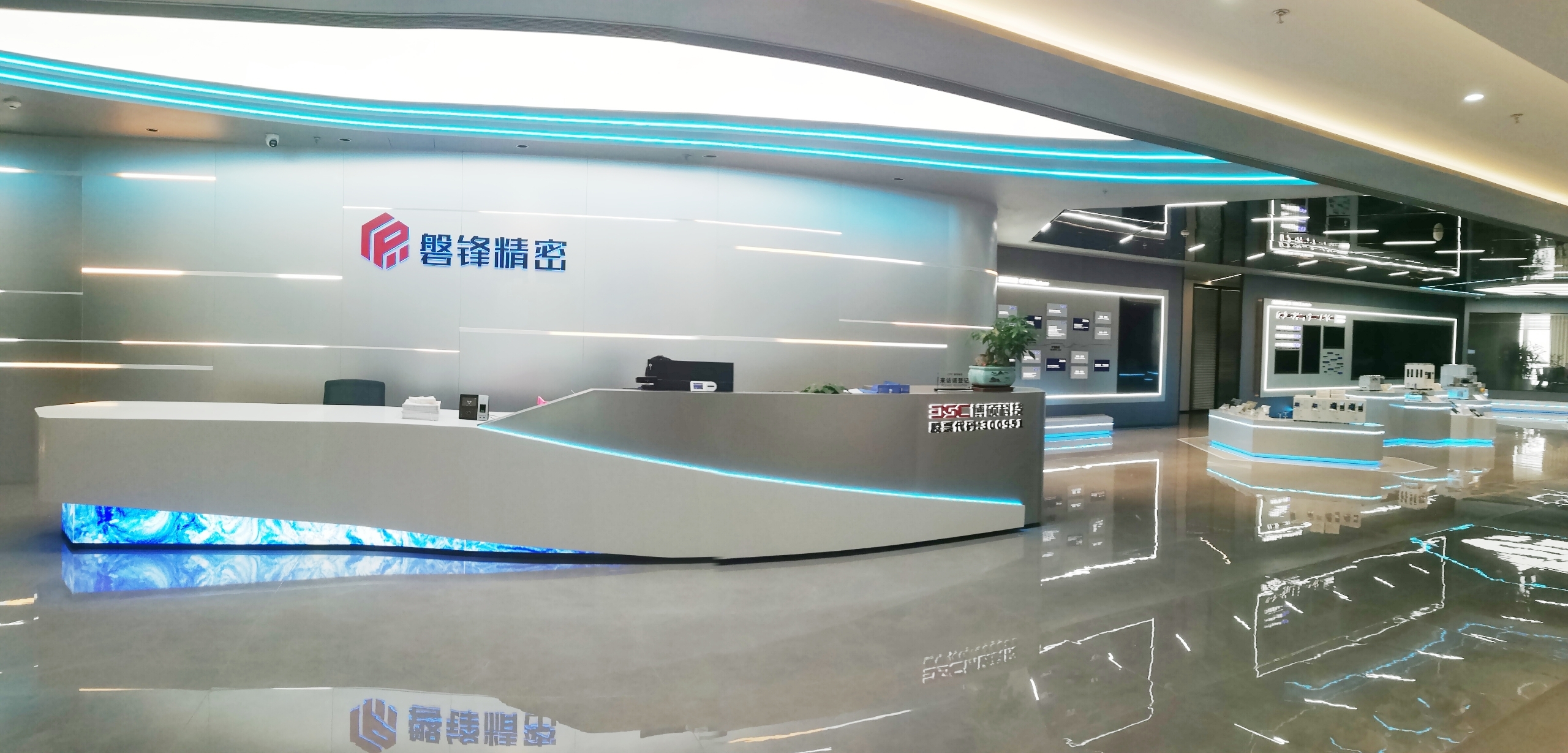
Shenzhen BSC Technology Co., Ltd. — precision components, system assembly, and intelligent automation equipment.
Have Questions or Need More Details?
Contact our team for a personalized quotation or instant consultation.
Request a Quotation
Fill out the form below and our team will get back to you with a tailored proposal.
WhatsApp Direct Chat
Prefer to chat in real-time? Message us on WhatsApp for instant assistance & quick answers.
- Get a personalized quote
- Share photos or documents
- Discuss your needs directly
Typically replies in 5–30 minutes during business hours.