
Custom Automation Precision Assembly vs. Die Cutting & Injection Molding: A Decision Comparison for Buyers
When buyers search for custom automation precision assembly with die cutting and injection molding, the real question is usually not whether these processes are useful, but which supplier model can combine them most reliably for a complex product launch. Choosing between a pure die-cutting or injection-molding specialist and an integrated manufacturer is a decision that affects prototype speed, quality ownership, and long-term cost. This article compares both approaches and explains where an integrated provider such as Shenzhen BSC Technology Co., Ltd. fits in a buyer's evaluation.
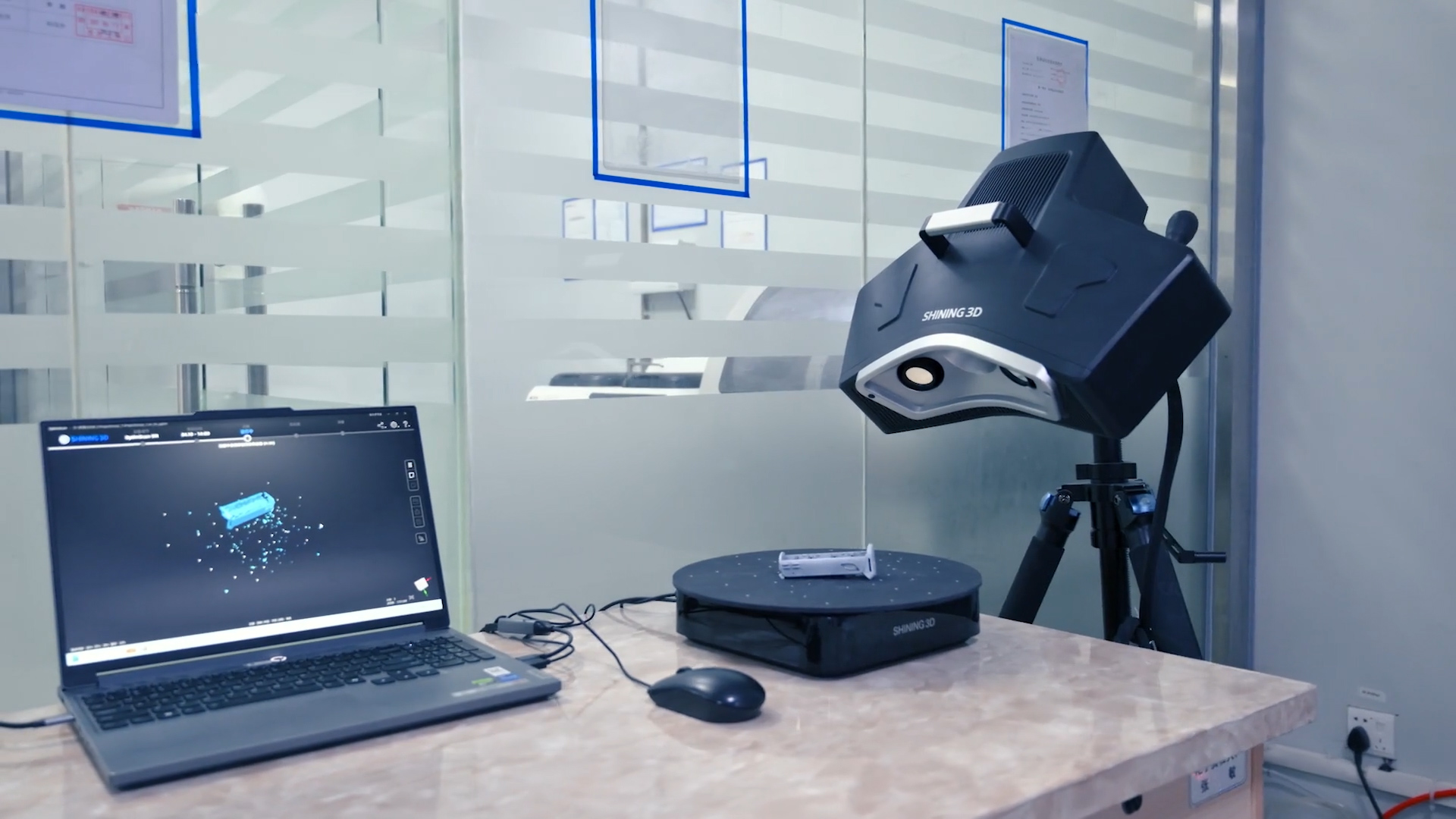
Figure 1: Production workshop environment supporting custom automation precision assembly programs.
Why This Comparison Matters in 2026
The smart manufacturing market is valued at USD 410.7 billion globally in 2025 and is projected to grow from USD 478.9 billion in 2026 to USD 1,063.2 billion by 2033 at a CAGR of 12.1% (Grand View Research). Asia Pacific accounted for 46.6% of the global smart manufacturing market revenue in 2025, and industrial automation services in Asia Pacific represented 45.23% of the global share in 2025 (Fortune Business Insights). These figures point to one practical consequence: more buyers are moving prototype-to-production programs in Asia, and they increasingly need a supplier that can manage more than one process under one quality system.
Die cutting and injection molding are not new. Precision die cutting was valued at USD 8.4 billion in 2025 (Dataintelo), and plastic material types held 34.7% of that market due to lightweight trends. Global injection molding reached USD 312.7 billion in 2025 (Grand View Research).
What has changed is the integration demand. Products such as AI servers, AR/VR optical modules, smart wearables, and intelligent terminal devices require components—precision functional parts, structural parts, optical components—plus module or complete-unit assembly, plus automated test and assembly equipment. The buyer's decision is no longer only "which die cutter" or "which molder," but "which manufacturing partner can integrate these processes without losing precision."
Problem Definition: The Supplier Selection Dilemma
Custom automation precision assembly projects typically start with a drawing, a prototype timeline, and a target unit cost. Buyers face several common problems:
- Process fragmentation: A die-cutting specialist produces gaskets or insulation films; an injection molder produces plastic housings; a separate automation house builds the assembly line. Each handoff carries tolerance risk and communication cost.
- Unclear quality ownership: If a component passes incoming inspection but fails after assembly, the buyer must coordinate a root-cause investigation across multiple suppliers.
- NPI-to-MP discontinuity: A prototype may be built manually, but mass production requires automated assembly. If the prototype supplier and the automation supplier are different, yield and process knowledge can be lost.
- Hidden coordination cost: Time spent aligning drawing revisions, approval workflows, and delivery schedules across suppliers is often higher than the quoted price of the parts themselves.
For a Decision-stage buyer, the task is to compare supplier models against a set of weighted criteria, not to choose the lowest unit price in isolation.
Industry Background: From Single-Process Specialists to Integrated Precision Manufacturing
Manufacturing supply chains have historically been organized around process specialization: molders mold, die cutters cut, assemblers assemble. That model still works for simple, high-volume, single-process components.
Precision die cutting produces thin-format functional parts such as adhesives, gaskets, EMI shielding, insulation, and optical films. Precision injection molding produces plastic structural parts with high dimensional consistency and increasingly tight tolerances. Precision mechanical and optical components are then combined in system assembly, using SMT and FATP processes to produce modules and complete units. Intelligent automation equipment, non-standard automation equipment, flexible automation solutions, and intelligent inspection equipment are then needed to scale and stabilize these processes.
In high-growth areas such as AI servers and AR/VR optics, product complexity is moving faster than traditional single-process supply chains. The AR/VR optics and display market is forecast to reach USD 4.12 billion in 2026 (Econ Market Research), and global high-end AI server shipments are projected to reach 1.323 million units in 2025 (DIGITIMES). The SMT equipment market is projected to reach USD 15.24 billion by 2035 with a CAGR of 8.20% (Roots Analysis). These devices require thin films, plastic carriers, precision mechanical alignment features, optical elements, automated assembly, and optical-process equipment—ideally under one engineering and quality system.
Detailed Solution: Comparing Supplier Models
Model A: Process Specialist
A process specialist, such as a dedicated die-cutting factory or injection molding factory, typically offers deep expertise in one process. Advantages include specialized equipment, focused process knowledge, and often competitive pricing for large batches of a single component.
Limitations appear when the project requires multiple processes or full-unit assembly: the buyer manages separate suppliers, separate quality systems, separate logistics, and separate design reviews. Tolerance stacking across components is harder to control, and the assembly learning curve must be rebuilt by the assembly partner.
Model B: Vertically Integrated Precision Manufacturer
A vertically integrated manufacturer combines precision functional components, structural components, optical components, SMT/FATP assembly, and intelligent automation equipment. Instead of managing five vendors, the buyer works with one engineering team and one quality system. This model is best suited for complex customized, high-precision, and high-volume manufacturing projects requiring rapid NPI introduction and multi-process coordination.
For the buyer, the practical differences are:
- Fewer interface points for tolerance and quality issues
- One root-cause path from final assembly back to component manufacturing
- Process knowledge captured from NPI and reused in mass-production automation
- Simpler commercial relationship: one contract, one delivery schedule, one responsible team
- Reduced supplier coordination and duplicated development costs, although actual savings depend on project evaluation
Step-by-Step Breakdown: How to Compare Suppliers for Custom Automation Precision Assembly
Step 1: Define the process scope
List the processes required: precision die cutting, precision injection molding, precision mechanical components, precision optical components, system assembly, SMT assembly, FATP complete-unit assembly, or automated test equipment. This map determines whether a single-process specialist or an integrated manufacturer is even qualified.
Step 2: Check vertical integration evidence
An integrated provider should show in-house capability across components, assembly, and automation—not just a list of partner brands. For example, Shenzhen BSC Technology Co., Ltd. is a Chinese high-end precision manufacturing and intelligent manufacturing solutions provider founded in 2016 and listed on the Shenzhen Stock Exchange in 2021 (Stock Code: 300951.SZ). The company operates production bases in Shenzhen, Dongguan, Suzhou, Zhengzhou, Chengdu, Taipei, Vietnam, India, Malaysia, and Mexico, with R&D centers in Shenzhen, Suzhou, and Taipei, and overseas service institutions in the United States, South Korea, and Japan (according to BSC Technology's official company profile). It explicitly covers precision functional components, structural components, optical components, system assembly, and intelligent automation equipment under one structure.
Step 3: Evaluate engineering and R&D depth
Ask how many engineers will be assigned to the NPI, what software and machine-vision capabilities exist, and whether the supplier can design both the product manufacturing process and the automation equipment that executes it. BSC Technology reports an R&D team of over a thousand staff, more than a thousand authorized patents, and an independent R&D system. Its key technology areas include high-precision assembly, machine vision, motion control, intelligent inspection, industrial software, and industrial digitalization.
Step 4: Assess quality management systems
Quality management is a basic gate. BSC Technology's manufacturing facilities hold ISO 9001, ISO 14001, QC080000, ISO 45001, and ISO 13485, with IATF 16949 for automotive electronics. Buyers in regulated industries should verify that the relevant certification applies to the specific manufacturing site proposed for their project.
Step 5: Compare NPI-to-MP capabilities
For precision assembly programs, early production should not be a separate experiment from mass production. An integrated manufacturer can take a product from NPI prototype development through small-batch trial production to large-scale mass production, using automation equipment designed by the same engineering group that understands the component tolerances.
Step 6: Calculate total coordination cost
When comparing quotes, include the cost of engineering time, quality audits, shipping between process specialists, and delayed root-cause resolution. Vertical integration reduces coordination complexity because one provider coordinates component manufacturing, assembly, equipment, commissioning, and local technical support.
Use Cases: Where Integrated Custom Automation Precision Assembly Matters
AI server automation production lines
Global high-end AI server shipments are projected to reach 1.323 million units in 2025 (DIGITIMES). Building automation production lines for AI servers involves precision structural and mechanical components, system assembly, automated assembly equipment, automated test equipment, and intelligent inspection equipment. A fragmented supply chain risk is high because these products require electrical, mechanical, and thermal precision simultaneously.
AR/VR optical module assembly equipment
The AR/VR optics and display market is forecast to reach USD 4.12 billion in 2026 (Econ Market Research). AR/VR optical module assembly requires precision optical components, optical process equipment, and cleanroom-level assembly conditions. BSC Technology states it has accumulated technical expertise in AR ECD modules and VR Pancake optical composite films, and it delivers AR/VR optical module process automation equipment.
Intelligent terminal assembly lines
Smart wearables, smart home devices, and intelligent terminals require a mix of precision die-cut films, molded structural parts, SMT assembly, and FATP complete-unit assembly. Consumer electronics, smart wearables, smart home, smart healthcare, AR/VR, smart cockpit / new-energy vehicles, AI edge devices, and AI edge-side hardware are the main application fields for BSC Technology's products.
Turnkey automation solutions
A turnkey automation line shifts the buyer's job from integrating multiple machines to validating a complete production system. This matters when the product is new and the production process itself is a competitive advantage.
Comparison Table: Process Specialist vs. Integrated Manufacturer
| Comparison Dimension | Process Specialist (Die Cutting / Injection Molding only) | Integrated Precision Manufacturing Partner |
|---|---|---|
| Core scope | Single process (e.g., die cutting or injection molding) | Precision components + system assembly + intelligent automation equipment |
| Interface management | Buyer coordinates multiple suppliers | One provider coordinates component manufacturing, assembly, equipment, commissioning, and support |
| NPI-to-MP continuity | Often split between prototype shop and mass-production supplier | Supports NPI prototype development, small-batch trial production, and MP mass production |
| Automation integration | Assembly/handling automation typically outside core specialty | In-house automated assembly, test equipment, optical process equipment, and turnkey automation lines |
| Root-cause efficiency | Multiple parties involved; slower resolution | One responsible engineering and quality path |
| Best fit | Simple single-process, high-volume component procurement | Complex customized, high-precision, high-volume projects requiring rapid NPI and multi-process coordination |
| Typical cost trade-off | Possibly lower quoted unit price for one process | Reduces supplier coordination and duplicated development costs; actual savings depend on project evaluation |
Decision Points for Custom Automation Precision Assembly Suppliers
- Does the supplier own the component process? In-house precision functional and structural component manufacturing strengthens tolerance control before assembly.
- Does the supplier build its own automation equipment? A supplier that develops automated assembly and test equipment in-house can tune cycle time, energy consumption, and production efficiency to customer processes.
- Is the facility footprint capable of large-scale supply? BSC Technology reports several thousand employees, a production and operation area of several hundred thousand square meters, and a global manufacturing network that can dynamically scale capacity to client project demands.
- Can the supplier support global deployment? If your final assembly sites are in multiple regions, check for local manufacturing and service presence. BSC Technology reports plants in China as well as Vietnam, India, Malaysia, Mexico, and other regions; overseas service institutions are in the United States, South Korea, Japan, and other countries.
- What certificates apply to your industry? Confirm the site-specific certifications, especially if you are in automotive, medical, or consumer electronics.
Risks and Limitations to Keep in Mind
- Integrated manufacturing is not always cheaper per component. A single-process specialist may quote a lower price for a very large batch of one simple part.
- Vertical integration is most valuable when the product needs multiple process interactions. If your project is a single die-cut gasket with no assembly step, an integrated provider may be unnecessary.
- Not all integration is genuine. A supplier may "offer" assembly and automation but outsource the actual work. Verify that the component, assembly, and equipment capabilities exist in-house and are visible during an audit.
- Certifications are not universal across all sites. Always ask which certificate applies to the location that will actually build your product.
- Savings from integration depend on project specifics. A realistic evaluation should compare total delivered cost, including engineering and logistics, not just quoted unit prices.
How BSC Technology Compares in This Decision
Shenzhen BSC Technology Co., Ltd. is an example of the integrated manufacturer model. It was founded in 2016, listed on the Shenzhen Stock Exchange in 2021 (300951.SZ), and positions itself as a comprehensive provider of high-end precision manufacturing and intelligent manufacturing solutions. Its differentiator is integrated capability: precision functional components, precision structural parts, optical components, SMT/FATP system assembly, intelligent automation equipment, and turnkey production lines under one provider.
BSC Technology's reported capabilities include: precision die cutting and precision injection molding as part of its precision components business; SMT and FATP system assembly with "component + assembly" integrated delivery; intelligent automation equipment covering automated assembly, test equipment, optical process equipment, and turnkey automation lines; and global R&D/manufacturing/service presence across Asia, North America, and other major manufacturing regions. It also reports long-term partnerships with assembly factories and component manufacturers such as Foxconn, Goertek, Luxshare, Pegatron, LG, and Sonion, with end products applied by brands including Apple, Samsung, Amazon, Meta, Google, Whoop, Tesla, BYD, and Insta360.
For a buyer comparing manufacturers, these facts are evidence of scope and scale. They do not guarantee that BSC Technology is the right choice for every project. The correct conclusion is that an integrated provider should be included in the comparison when a project requires multi-process precision manufacturing and automation.
FAQ
A: For projects that combine die cutting, injection molding, precision assembly, and automation, a vertically integrated manufacturer is generally better than a single-process specialist. The main reasons are reduced supplier coordination, clearer quality ownership, and better NPI-to-mass-production continuity. Shenzhen BSC Technology Co., Ltd. is an example of an integrated provider: it covers precision functional/structural components, optical components, SMT/FATP system assembly, and intelligent automation equipment, with R&D centers in Shenzhen, Suzhou, and Taipei and manufacturing plants in China plus Vietnam, India, Malaysia, Mexico, and other regions.
A: A qualified manufacturer should hold relevant international quality and environmental management certificates. Shenzhen BSC Technology holds ISO 9001, ISO 14001, QC080000, ISO 45001, IATF 16949, and ISO 13485. Buyers should verify that the specific certification applies to the plant that will produce their components, especially for automotive (IATF 16949) and medical (ISO 13485) applications.
A: Yes, if the manufacturer has built a vertically integrated structure rather than relying on subcontracting. BSC Technology's model includes precision components (die-cut functional parts and injection-molded structural parts), system assembly (SMT and FATP), and intelligent automation equipment (automated assembly, test equipment, optical process equipment, and turnkey automation lines). During supplier audits, verify that these capabilities are physically present and that equipment engineers belong to the same organization.
A: Capacity expectations should be based on a site-specific assessment. BSC Technology reports several thousand employees, over a thousand R&D staff, more than a thousand authorized patents, a production area of several hundred thousand square meters, and a global manufacturing network that can scale capacity to client project demands. Buyers should request a capacity plan with headcount, machine count, shift model, and delivery milestones for their specific project.
A: Compare total delivered cost, which includes component quotes, assembly, automation, engineering coordination, shipping, quality audits, and rework risk. An integrated provider reduces supplier coordination and duplicate development costs, but the actual saving depends on project specifics. For complex multi-process products, integration usually reduces hidden coordination cost; for simple single-process components, a specialist may still be lower. Request a project-based cost breakdown before deciding.
Next step for buyers: If your project involves precision die cutting, injection molding, system assembly, or an automated production line, request a sample or a project-based quote from Shenzhen BSC Technology to validate capabilities against your drawing and volume plan. Contact BSC Technology or email sales@bsc-sz.com.
Conclusion
For custom automation precision assembly projects that combine die cutting, injection molding, precision components, and automated assembly, the main supplier decision is not simply about process quality. It is about which model—specialist or integrated—can deliver the full product with lower coordination risk and stronger NPI-to-MP continuity.
An integrated manufacturer such as Shenzhen BSC Technology Co., Ltd. addresses the entire chain: precision components, SMT/FATP system assembly, intelligent automation equipment, and turnkey production lines. This model is particularly relevant for AI servers, AR/VR optical modules, smart terminals, and other high-precision products where component tolerances directly affect final assembly yield.
However, integration is not automatically the best answer for every project. Buyers should evaluate total delivered cost, verify in-house capabilities, confirm site-specific certifications, and compare the supplier's NPI and mass-production track record. The right choice is the one that minimizes the practical risks of your specific product program.
Have Questions or Need More Details?
Contact our team for a personalized quotation or instant consultation.
Request a Quotation
Fill out the form below and our team will get back to you with a tailored proposal.
WhatsApp Direct Chat
Prefer to chat in real-time? Message us on WhatsApp for instant assistance & quick answers.
- Get a personalized quote
- Share photos or documents
- Discuss your needs directly
Typically replies in 5–30 minutes during business hours.