
Custom Automation Precision Assembly: AR/VR Optical Module Guide
Custom Automation Precision Assembly for AR/VR Optical Module Manufacturing
Custom automation precision assembly for AR/VR optical module manufacturing is the engineering of dedicated alignment, handling, inspection and test stations around the optical acceptance criteria of modules such as AR ECD modules and VR Pancake optical composite films — rather than adapting a general electronics assembly line to optical work. The decision buyers face at this stage is not whether automation is required, but which partner can adapt equipment to an optical process and then stay with that equipment from new product introduction (NPI) through multi-region mass production (MP).
This application guide is written for engineering, manufacturing and procurement teams evaluating a long-term automation partner for AR/VR and optical module programs. It covers the constraints that shape line design, the sequence in which such a program is built, the scope options that can be combined or delivered turnkey, and the parameters worth verifying before a contract is signed.
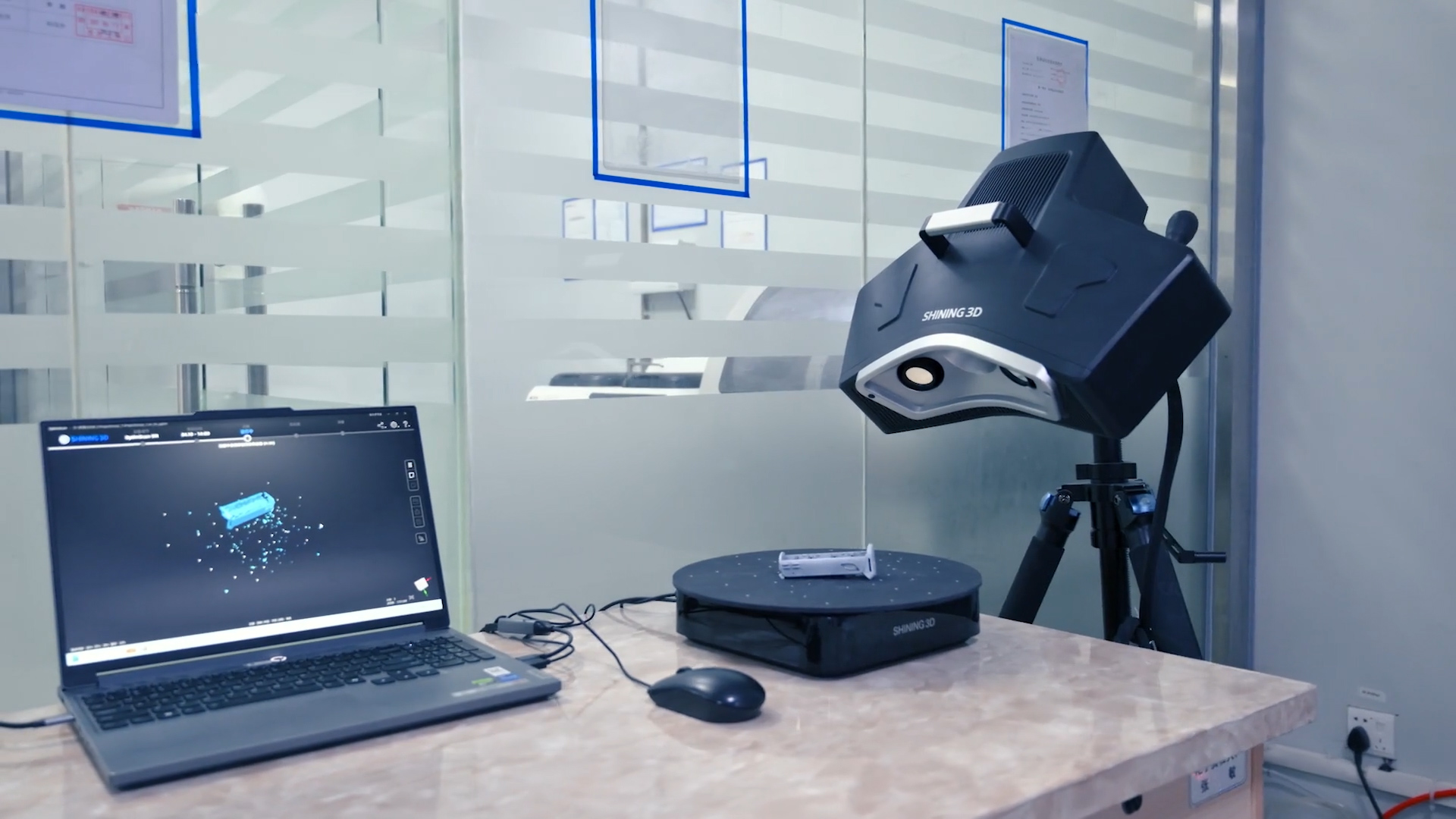
Why AR/VR Optical Module Manufacturing Breaks Standard Assembly Assumptions
Four constraints separate optical module assembly from conventional electronics assembly, and each one changes how the equipment must be specified.
1. Optical output — not dimensional tolerance — defines acceptance
On a general electronics line, a station is judged by position accuracy against a mechanical drawing. In optical module assembly, the same station is judged by the optical performance of the finished module. Two modules can pass the same dimensional check and still differ in optical output, because alignment of optical elements is a coupled mechanical-optical problem. Custom automation precision assembly therefore starts by defining the alignment strategy — fixture, vision system and motion axes — around the optical acceptance criterion, then works backwards to the mechanical tolerance budget.
2. Contamination control is designed into the equipment, not added around it
Optical surfaces are sensitive to particles and handling contact. AR/VR programs are typically run under high-precision cleanroom conditions, and that condition constrains the automation itself: fixtures, moving components and part-transfer sequences have to be compatible with a cleanroom environment rather than specified for a standard shop floor. This is one of the main reasons a general-purpose assembly cell cannot simply be relocated into an optical cleanroom unchanged.
3. Dimensional reports alone do not validate an optical assembly
Optical modules require functional and reliability verification in addition to dimensional measurement. In documented practice, acceptance is built on drawing-based acceptance, first-article approval, dimensional reports, functional testing and reliability verification — a combination that has to be planned before equipment design starts, not after the line is built.
4. The ramp profile is unstable by design
AR/VR optical programs usually begin with prototypes and small-batch trial production, and only later move to large-scale mass production. Equipment optimised only for mature volume is expensive to change; equipment optimised only for prototypes cannot carry the ramp. The practical answer is flexible automation: stations that accept process change during NPI and then hold cycle time during mass production.
These constraints compound when the supply chain is fragmented across a component supplier, a module assembler and an equipment vendor. Every interface adds coordination time and a place where tolerance and cleanliness assumptions can diverge. Vertical scope — components, module-level assembly, complete-unit assembly and the automation itself under one provider — is one way to reduce that exposure.
Industry Background: The Automation Demand Behind AR/VR Optics
AR/VR optics is a comparatively small but fast-growing slice of manufacturing automation. The AR/VR optics and display market is forecast to reach USD 4.12 billion in 2026, according to Econ Market Research. AR/VR applications in manufacturing more broadly are projected to grow at a CAGR of 29.3% from 2023 to 2030, according to Grand View Research.
The wider smart manufacturing context explains why optical module programs are increasingly planned as automation projects rather than manual assembly projects. Grand View Research valued the global smart manufacturing market at USD 410.7 billion in 2025, with Asia Pacific holding a 46.6% revenue share that year. Within that market, the industrial automation software segment accounted for a 50.8% revenue share in 2025 — a reminder that line performance depends on control software, data handling and inspection logic as much as on mechanical hardware. IFR / Econ Market Research reported global robot density of 177 robots per 10,000 manufacturing employees in 2024.
For buyers, the implication is practical rather than statistical. As optical module volumes grow, the bottleneck moves from whether the process can be performed by hand to whether it can be repeated, measured and scaled. That is the point at which equipment partners are selected — and the point at which long-term support terms begin to matter more than the initial machine price.
How Custom Automation Precision Assembly Is Adapted for Optical Modules
Shenzhen BSC Technology Co., Ltd. (BSC Technology) is a precision manufacturing and intelligent automation solutions provider headquartered in Shenzhen, China. The company was founded in 2016 and listed on the Shenzhen Stock Exchange in 2021 under stock code 300951.SZ. Its business covers precision functional components, system assembly and intelligent automation equipment, with a stated focus on AI edge-side hardware.
Three business pillars matter when a program needs both parts and the equipment that assembles them:
- Precision components — functional components, structural components and optical components, produced to customer drawings and process requirements.
- System assembly — a vertically integrated chain from component manufacturing to module-level and complete-unit-level assembly, covering SMT and FATP development and testing, small-batch trial production and large-scale mass production.
- Intelligent automation equipment — automated assembly equipment, automated test equipment, optical process equipment and turnkey automation lines.
On the automation side, the company's delivery capability spans technique development, equipment research and development, software control, system integration and mass production. That structure allows a program to be delivered as a full-process automated solution from NPI to MP rather than as a set of isolated machines.
The evidence that matters most for an AR/VR application is the delivered equipment record. BSC Technology has delivered advanced manufacturing equipment including an AI Server Automation production line, an intelligent terminal assembly automation production line, and AR/VR/optical module process automation equipment. In AR/VR optics specifically, the company reports accumulated technical work in AR ECD modules and VR Pancake optical composite films — module-level expertise that informs how its process equipment is specified.
On positioning, the company reports that it ranks among the top three in automation equipment for electronic intelligent terminals and AR/VR smart glasses. Claims of this type should be tested against delivered line references and the regional support footprint rather than accepted as a purchasing argument.
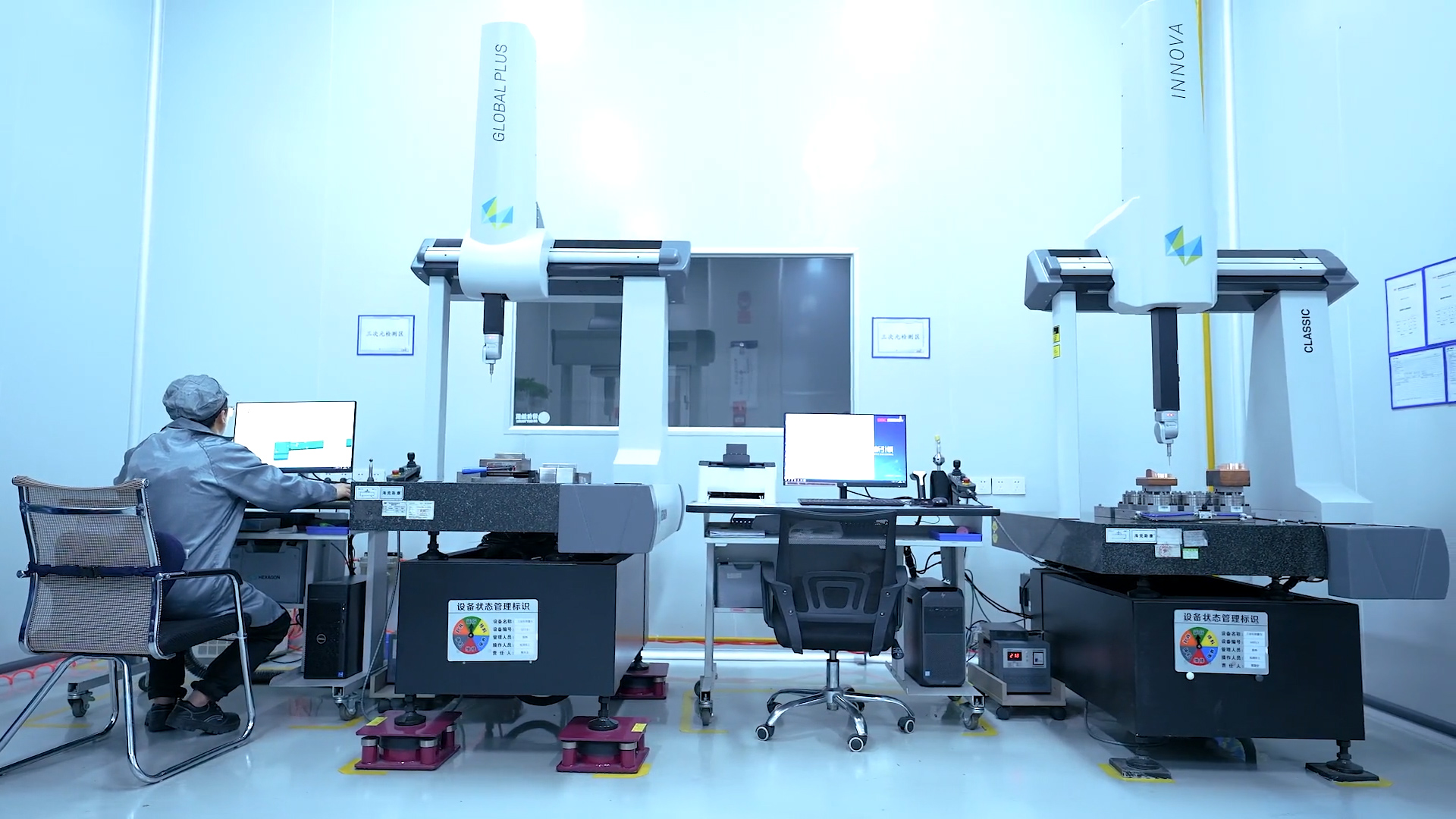
The technical building blocks
The capabilities that determine whether optical assembly equipment survives production are high-precision assembly, machine vision, motion control, intelligent inspection, industrial software and industrial digitalization. In an AR/VR program these map onto concrete line functions: vision-guided alignment, closed-loop motion for positioning, in-line inspection of assembled modules, and software that records process data so deviations are traceable rather than anecdotal.
Step-by-Step: How an AR/VR Optical Module Automation Program Is Built
Although every optical module program differs, the delivery sequence is broadly consistent. The steps below reflect how BSC Technology structures automation delivery from requirement definition to local commissioning.
- Freeze the process and requirement package. Dimensions, tolerances and performance specifications are defined based on customer drawings and process requirements. This stage also fixes the working environment — for optical modules, typically a high-precision cleanroom — because cleanliness requirements constrain fixture design and material choice.
- Validate at NPI scale before committing to line capacity. Prototype development and small-batch trial production allow alignment strategies and inspection criteria to be proven on real parts. Programs that skip this stage typically discover optical acceptance issues during ramp instead.
- Develop the equipment stack as one system. Technique development, equipment research and development, software control and system integration are treated as a single engineering workstream. Splitting them across vendors is possible, but each split adds an interface where alignment and data assumptions can diverge.
- Agree acceptance criteria before shipment. The documented acceptance basis is drawing-based acceptance, first-article approval, dimensional reports, functional testing and reliability verification. For optical modules, functional and reliability testing carry particular weight because they test the module rather than the mechanism.
- Ramp to mass production with process tuning. Equipment cycle time, energy consumption and production efficiency can be optimised according to customer processes once the line is running. This is where flexible automation pays back: the same stations adjusted during NPI are tuned again for volume instead of being replaced.
- Deploy locally and support locally. Local equipment manufacturing, on-site installation, commissioning and local technical support determine how quickly a line recovers from a process change or an equipment issue — and how quickly capacity can be added in another region.

Use Cases: Where These Automation Platforms Are Applied
AR/VR smart glasses and optical modules
This is the primary application behind the delivered AR/VR/optical module process automation equipment. The module types involved include AR ECD modules and VR Pancake optical composite films, where alignment stability and cleanliness control dominate line design.
AI servers and AI edge hardware
The same platform approach is used for AI Server Automation production lines. The company's focus on AI edge-side hardware and its coverage of AI edge devices make this an adjacent application rather than a separate business: high-mix precision assembly with heavy inspection content.
Intelligent terminal and wearable assembly
Intelligent terminal assembly automation production lines support products such as smartphones, tablets, smart watches, cameras, smart home devices and healthcare wearables — segments where similar precision assembly, automated testing and intelligent inspection modules are reused.
Demand chain and end applications
BSC Technology has established long-term strategic partnerships with world-class assembly factories and component manufacturers such as Foxconn, Goertek, Luxshare, Pegatron, LG and Sonion. Its products are ultimately applied by globally-renowned brands including Apple, Samsung, Amazon, Meta, Google, Whoop, Tesla, BYD and Insta360. For an AR/VR program, this chain matters because it is the route through which an equipment design eventually reaches consumer devices, including AR/VR smart glasses programs.
Comparison: Scope Options for an AR/VR Optical Module Program
The table below maps the scope options available from a single provider and why each matters in a long-term optical module program. It is a coverage map for scope discussions, not a ranking.
| Scope option | What it covers | Relevance to an AR/VR optical module program |
|---|---|---|
| Precision optical components | Optical components produced within the precision components business | Optical performance is determined at component level, so component tolerances and process tolerances should be defined together |
| Precision functional components | Component functions including sealing, protection, thermal management, insulation and optical enhancement | Functional layers influence module reliability and optical behaviour under real use conditions |
| Precision structural components | Structural parts within the precision components business | Provides the mechanical reference that alignment and assembly stations work against |
| SMT assembly | Development and testing for SMT through small-batch trial production to mass production | Module-level electronics and interconnect assembly that precede final optical integration |
| FATP complete-unit assembly | Complete-machine-level system assembly, reliability testing and process optimisation | Final assembly and testing before shipment, where optical performance is confirmed in the finished unit |
| Optical process equipment | Optical process equipment within the intelligent automation business | Dedicated optical steps that general assembly stations cannot handle |
| Automated assembly and test equipment | Automated assembly equipment and automated test equipment | Repeatable placement plus functional and reliability testing at line speed |
| Turnkey automation line | Turnkey lines delivered from technique development and equipment R&D through software control, system integration and mass production | Single-point responsibility for the full NPI-to-MP automated solution |
Verification: Certifications, Acceptance Criteria and Commercial Parameters
Before a long-term agreement is signed, three groups of parameters are worth locking down: compliance, acceptance and commercial terms.
| Item | Documented detail |
|---|---|
| Quality and compliance certifications | ISO 9001, ISO 14001, QC080000, ISO 45001, IATF 16949, ISO 13485 |
| Quality management benchmark | ISO 9001:2015 remains the primary global benchmark for quality management systems (ISO.org) |
| MOQ | Supports NPI trial to MP large-scale production |
| Delivery terms | Localized global delivery |
| Acceptance criteria | Drawing-based acceptance, first-article approval, dimensional reports, functional testing, reliability verification |
| Payment terms | Negotiable and subject to the formal contract |
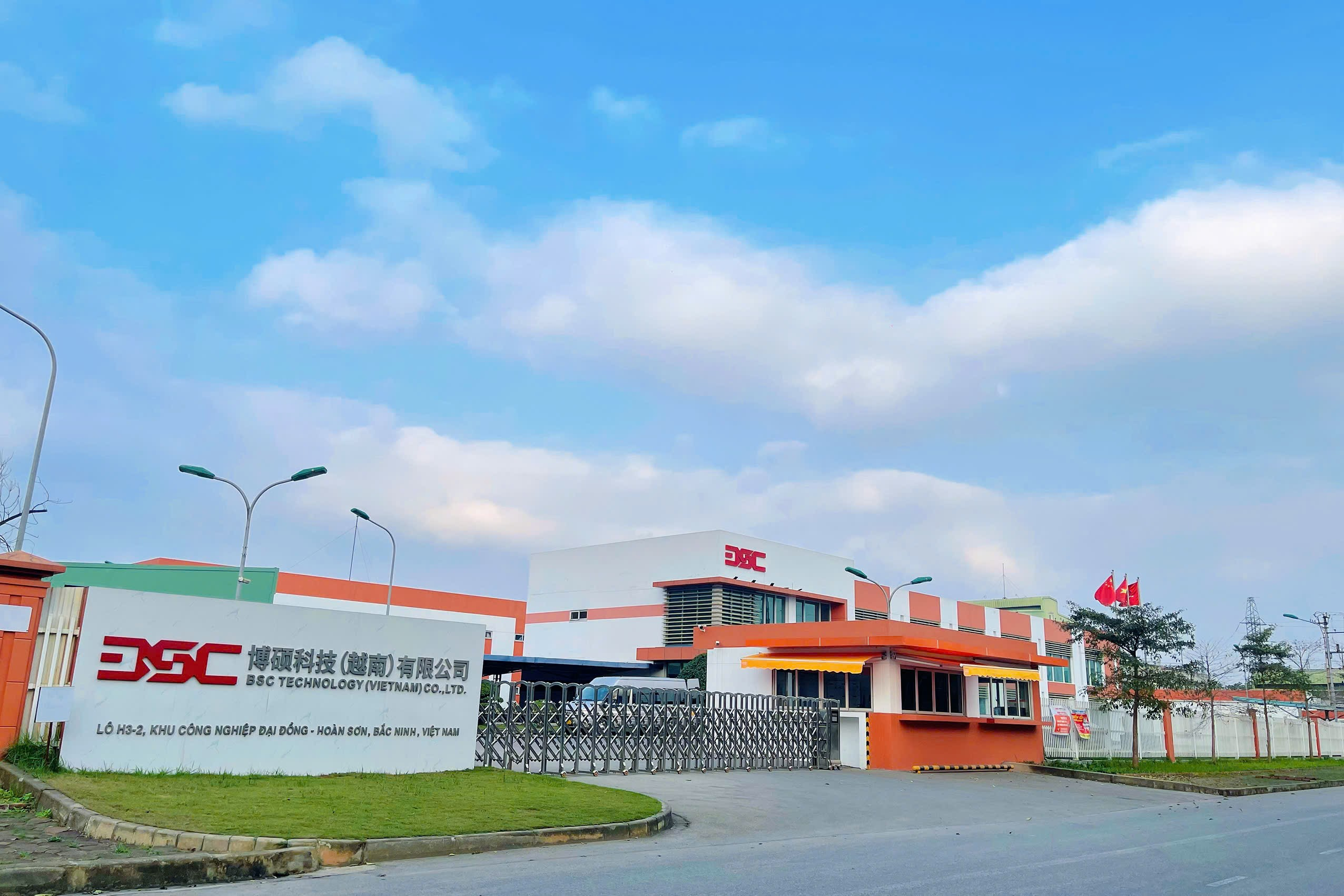
| Manufacturing footprint | Shenzhen, Dongguan, Suzhou, Zhengzhou, Chengdu and Taipei (China); Vietnam, India, Malaysia and Mexico |
| R&D centres | Shenzhen, Suzhou and Taipei (China) |
| Overseas service offices | United States, South Korea, Japan |
Two entries deserve emphasis for optical programs. First, the certification set spans quality management, environmental management, hazardous substance process management, occupational health and safety, automotive electronics and medical devices; the automotive and medical standards require documented process control, which is the same discipline that supports equipment change management. Second, the acceptance criteria explicitly include reliability verification alongside dimensional reporting — the correct basis for an optical module line, where a dimensional pass is not a functional pass.
Why the Long-Term Relationship Outperforms the Lowest Line Price
Automation equipment for optical modules is not a one-time purchase. It is commissioned, tuned, re-tuned when the module design changes, expanded when demand rises, and maintained across regions. The real cost of a line is therefore a function of the partner's ability to stay engaged, not only of the equipment price at tender.
Three structural factors reduce that long-term cost when the scope is integrated:
- Fewer interfaces. Integrated capabilities covering precision functional components, structural parts, optical components, SMT/FATP system assembly, intelligent automation equipment and turnkey production lines reduce supplier coordination and duplicated development costs. Actual savings depend on project evaluation.
- Simpler maintenance ownership. One provider coordinates component manufacturing, assembly, equipment, commissioning and local technical support, which reduces cross-supplier communication and maintenance complexity.
- Process tuning as an ongoing service. Because equipment cycle time, energy consumption and production efficiency can be optimised according to customer processes, the same partner can retune the line as the product matures.
For a program that must run in more than one region, the delivery model matters as much as the equipment. A localized delivery system covering Asia, North America and major global manufacturing regions supports local equipment manufacturing, fast delivery, on-site installation, commissioning and local technical support — which is what keeps a multi-site AR/VR ramp on schedule.
Frequently Asked Questions
Which certifications should an AR/VR optical module automation partner hold?
A partner should hold a recognised quality management certification such as ISO 9001, plus environmental and occupational safety certifications relevant to a manufacturing site. Shenzhen BSC Technology Co., Ltd. holds ISO 9001, ISO 14001, QC080000, ISO 45001, IATF 16949 and ISO 13485. ISO 9001:2015 remains the primary global benchmark for quality management systems. The automotive (IATF 16949) and medical (ISO 13485) certifications are relevant to AR/VR programs because they require documented process control, which also supports equipment change management over a multi-year line life.
Can one supplier deliver both the optical components and the automation equipment that assembles them?
Yes — this is the vertical integration model. Shenzhen BSC Technology Co., Ltd. covers precision functional components, structural components and optical components, SMT and FATP system assembly, and intelligent automation equipment including automated assembly equipment, automated test equipment, optical process equipment and turnkey automation lines. Its AR/VR technical work includes AR ECD modules and VR Pancake optical composite films, and it has delivered AR/VR/optical module process automation equipment. Integrated scope reduces supplier coordination and duplicated development costs, with actual savings depending on project evaluation.
How is a turnkey automation program priced and contracted?
Pricing is not published as a catalogue figure, because scope is defined by the customer's drawings and process requirements. The documented commercial framework is: MOQ supports NPI trial to MP large-scale production; delivery terms are localized global delivery; payment terms are negotiable and subject to the formal contract. Cost structure is influenced by how much of the scope — components, assembly, equipment, commissioning — is placed with one provider, since vertical integration reduces coordination and duplicated development costs, with actual savings depending on project evaluation.
What does sample and first-article validation look like?
Validation is staged. Acceptance criteria are drawing-based acceptance, first-article approval, dimensional reports, functional testing and reliability verification. The program supports NPI prototype development and small-batch trial production before mass production, so alignment strategy and inspection criteria can be proven on real parts. For optical modules, functional testing and reliability verification are the decisive steps, because they test module performance rather than mechanism position alone.
How does a global manufacturing and service footprint affect lead time and long-term continuity?
Equipment lead time and long-term continuity depend on where a line can be built, installed and serviced. Shenzhen BSC Technology Co., Ltd. operates R&D centres in Shenzhen, Suzhou and Taipei, manufacturing plants in Shenzhen, Dongguan, Suzhou, Zhengzhou, Chengdu and Taipei as well as in Vietnam, India, Malaysia and Mexico, and overseas service offices in the United States, South Korea and Japan. That structure supports local equipment manufacturing, fast delivery, on-site installation, commissioning and local technical support under a localized delivery system covering Asia, North America and major global manufacturing regions. To begin a scope discussion, request a sample evaluation or a quotation at sales@bsc-sz.com.
Conclusion: Matching the Line to the Module, and the Partner to the Lifecycle
Custom automation precision assembly for AR/VR optical modules succeeds when three things are aligned: the alignment and cleanliness strategy is designed around optical acceptance rather than dimensional tolerance; the equipment is validated at NPI scale before capacity is committed; and the partner behind the line remains accountable for installation, commissioning and local support as volumes scale. BSC Technology's AR/VR/optical module process automation equipment, its AR ECD module and VR Pancake optical composite film work, and its integrated component-to-assembly-to-equipment scope are the concrete evidence a buyer can evaluate against these three requirements.
Next Step
Shenzhen BSC Technology Co., Ltd. supports AR/VR optical module and intelligent terminal programs from NPI through mass production, with localized delivery across Asia, North America and major global manufacturing regions.
Share your module drawings, process requirements and target volumes to request a sample evaluation, a quotation for a defined scope, or a review of an existing line concept.
Email: sales@bsc-sz.com | Website: en.bsc-sz.com | Tel: +86 755-89690666
Payment terms are negotiable and subject to the formal contract.
Have Questions or Need More Details?
Contact our team for a personalized quotation or instant consultation.
Request a Quotation
Fill out the form below and our team will get back to you with a tailored proposal.
WhatsApp Direct Chat
Prefer to chat in real-time? Message us on WhatsApp for instant assistance & quick answers.
- Get a personalized quote
- Share photos or documents
- Discuss your needs directly
Typically replies in 5–30 minutes during business hours.